The Ugly Truth: What Smoking Does to Your Teeth
Picture this. You’re at a party, flashing a smile. But instead of ‘wow,’ folks wince. Yellow teeth. Gums bleeding like a bad horror flick. That’s smoking for ya. Messes up your grin big time. We’re talking about some really gnarly stuff that happens to your mouth when you light up. You might think it’s just a habit, but your teeth and gums are paying the price. Let’s dive into the real damage—discoloration, gum disease, cancer, and some tips to fight back. No fluff. Just facts.
Discoloration: Your Smile Turns Tar Monster
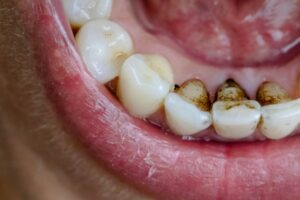
Ever looked in the mirror and noticed your teeth aren’t that pearly white anymore? Yeah, smoking does that. The tar and nicotine in cigarettes are like a permanent marker for your teeth. They seep into the enamel, making them yellow, then brown, and sometimes even black. It’s not something you can just brush away. You might even get dissatisfied with how your teeth look. It’s a visible sign that something deeper is going on in your mouth. I remember my uncle, chain-smoker for decades. His teeth? Like old piano keys stained with coffee and regret. Tobacco’s tar and nicotine grab hold. They yellow your chompers fast. Brown stains creep in over time. Brushing? Barely dents it. Needs pro whitening, and even then… stubborn. Short story: Smile fades. Confidence? Gone. Smokers see it daily in the mirror. Harsh, right?
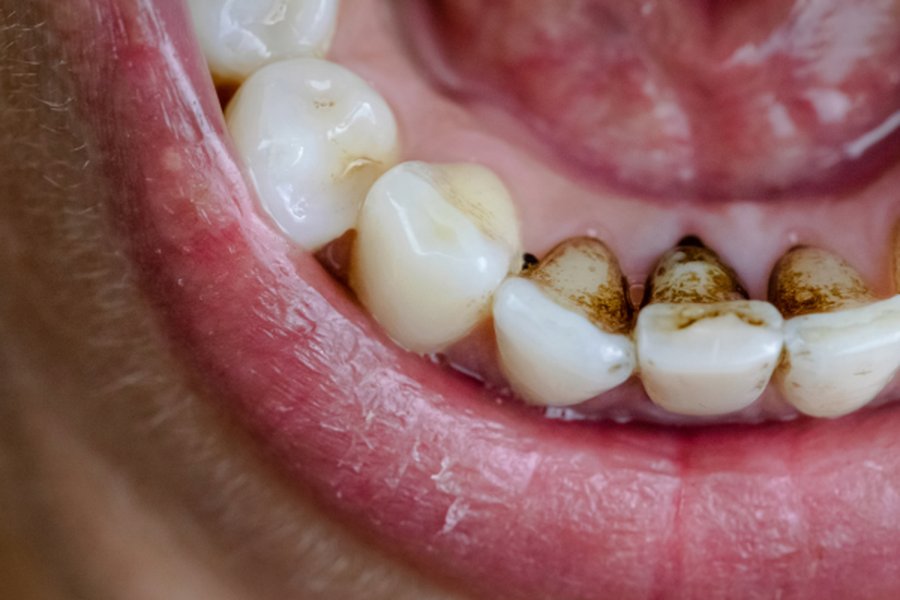
Smoking leaves indelible marks, turning smiles dingy and discolored.
The Science of Stains: Why Tobacco Sticks
The American Dental Association (ADA) warns that these stains build up fast. Especially on the front teeth where everyone sees. Casual smokers might notice it after months; heavy ones? Weeks. PubMed research backs it—tar from smoke clings like glue, and brushing barely touches it. Ever tried scrubbing coffee off a mug? Multiply that frustration by ten. Your smile fades, confidence dips. Not cool. Tobacco leaves stains that cling. Tar and nicotine seep into enamel. Some days your teeth look lemony, others brownish. It’s not just vanity. It’s a signal. The ADA reminds us: smoking can stain teeth and mouth tissue, and it can creep into gum lines and the cheek area too. Quick truth: quit even a little and color starts to change. Story over: your grin deserves brighter days.
Gum Disease: The Silent Attacker in Your Mouth
This is where things get serious. Smoking is a major player in gum disease. It weakens your immune system, making it harder for your gums to fight off infection. Blood flow to your gums gets all messed up, and they can’t heal properly. This can lead to gums receding, pockets forming between your teeth and gums, and eventually, bone loss. And guess what? You have way more risk of this if you smoke. We’re talking twice the risk, sometimes even more. It’s a fast track to tooth loss. Gums hate smoke. Nicotine chokes blood flow. Immune system? Weakened. Bacteria party in plaque. Boom—gingivitis. Then periodontitis. Swollen, bleeding gums. Pain when chewing. Teeth wobble. Fall out. Twice the risk for smokers. Twice! Healing? Slow as molasses. Dry mouth worsens it all. Xerostomia they call it. Saliva drops. Decay spikes. My buddy ignored his red gums. Lost two molars. Don’t be him.
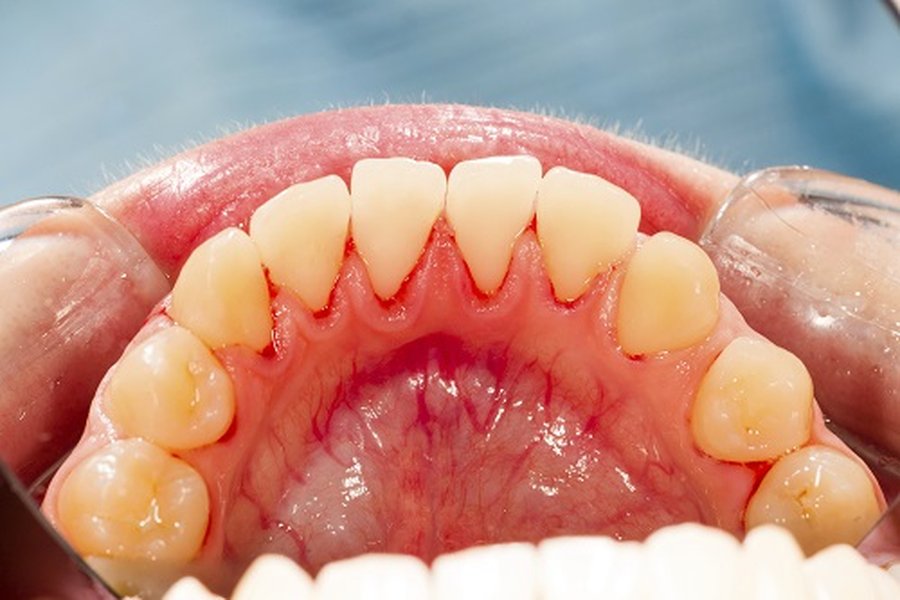
Smoking severely damages gums, leading to inflammation and recession.
The Mechanics of Periodontal Destruction
Okay, shift gears. Imagine your gums as the bouncers of your mouth, keeping bacteria out. Smoking? It bribes them to slack off. Suddenly, plaque piles up, inflammation kicks in—hello, gingivitis. Let it slide, and periodontitis crashes the party, eating away at bone and tissue. The CDC says smokers are twice as likely to get gum disease, and it worsens with every puff. WHO chimes in: Nicotine constricts blood vessels, starving gums of oxygen. They recede, teeth loosen. Abrupt truth: You could lose teeth. The CDC calls smoking a major risk factor for gum disease and says it makes treatment harder. It’s not hype; it’s biology. If you’re chewing on this every morning, know this: the more you smoke, the bigger the risk. Short version, big consequence.
Cancer: The Dark Cloud You Can't Ignore
Worst part. Smoking loads your mouth with poison. Formaldehyde. Arsenic. Cancer chemicals. Oral cancer risk skyrockets. Leukoplakia—white patches. Could turn deadly. Erythroplakia? Red ones, even worse. Mouth, throat, lip cancers. Even cigars, hookah if you don’t inhale. Smokers face it head-on. Stats scream: higher rates, period. Imagine brushing, spotting a weird sore. Panic sets in. Real fear. This one’s heavy. Lighting up doesn’t just stain—it can spark oral cancer. Cells go rogue from those carcinogens in tobacco smoke. PubMed articles detail how it hits the mouth, throat, tongue. The WHO reports millions worldwide affected, with smokers facing 10 times the risk. ADA facts: Lesions start small, like white patches, but turn deadly quick. Story time: My uncle brushed off that sore spot for months. Turned out squamous cell carcinoma. Chemo, radiation—brutal. CDC data shows early detection saves lives, but smoking delays healing. Harsh reality. Quit now, or roll the dice?
Christine B.’s poignant story illustrates the devastating reality of oral cancer caused by smoking.
This video from the CDC features Christine B., a former smoker who developed oral cancer. Her story is a stark reminder of the devastating consequences smoking can have, moving beyond just cosmetic issues to life-threatening conditions. It highlights the direct link between tobacco use and oral cancer, emphasizing the importance of awareness and cessation for prevention.
The Lethal Connection: Tobacco and Oral Carcinogenesis
Tobacco exposure is linked to cancers in the mouth and surrounding areas. The NIH’s PubMed-backed reviews show tobacco use is tied to oral squamous cell carcinoma. The WHO also highlights tobacco as a leading cause of cancer worldwide. It’s not a myth or a scare tactic. It’s about real risk to your mouth and life. You don’t want this cliff edge in your story. Your future self will thank you for choosing safer scenes. The chemicals, like formaldehyde and arsenic, found in tobacco products are potent carcinogens. They directly damage the DNA in cells lining the mouth and throat, leading to uncontrolled cell growth and tumor formation. Early detection is crucial, as oral cancers caught in their initial stages have a higher chance of successful treatment.
The Broader Impact: Beyond the Obvious
Smoking’s detrimental effects extend beyond just teeth and gums. It impacts your overall oral environment, making you more susceptible to other issues. Here’s a quick look:
| Oral Health Aspect | Impact of Smoking | Severity |
|---|---|---|
| Tooth Sensitivity | Can exacerbate sensitivity due to gum recession | Moderate |
| Taste and Smell | Dulls sensory perception | Moderate |
| Healing After Surgery | Impairs blood flow, delays recovery | High |
| Halitosis (Bad Breath) | Increases bacterial growth and dries mouth | High |
| Dental Implants Success | Significantly reduces integration rates | High |
As you can see, the systemic damage smoking inflicts creates a cascade of oral health problems, making even routine dental procedures more challenging and less successful.
The Path to a Healthier Smile: Tips for Quitting and Care
Enough doom. Fight back. Quit smoking. Duh. Gums heal better. Cancer risk drops. Brush twice daily. Floss. Mouthwash. Hydrate—fight dry mouth. See dentist regular. They spot trouble early. Implants? Quit first, success jumps. Chew sugar-free gum. Boost saliva. Support? Quitlines, apps. You’re not alone. Story time: Cousin quit cold turkey. Teeth whitened up. Gums pink again. Grinning wide now. You can too. Alright, enough doom. Let’s flip it. Want to dodge this mess? Start simple: Quit smoking. The ADA pushes nicotine patches or gum—proven to double success rates. WHO suggests apps for tracking cravings; CDC offers free quitlines at 1-800-QUIT-NOW. Brush twice daily with fluoride toothpaste, floss like your life depends on it (it kinda does). See your dentist every six months—they spot issues early. PubMed studies say cutting back even halves gum risks. Hydrate tons; it rinses out toxins. And hey, chew sugar-free gum to freshen breath. Small wins add up. You got this—your teeth will thank you.
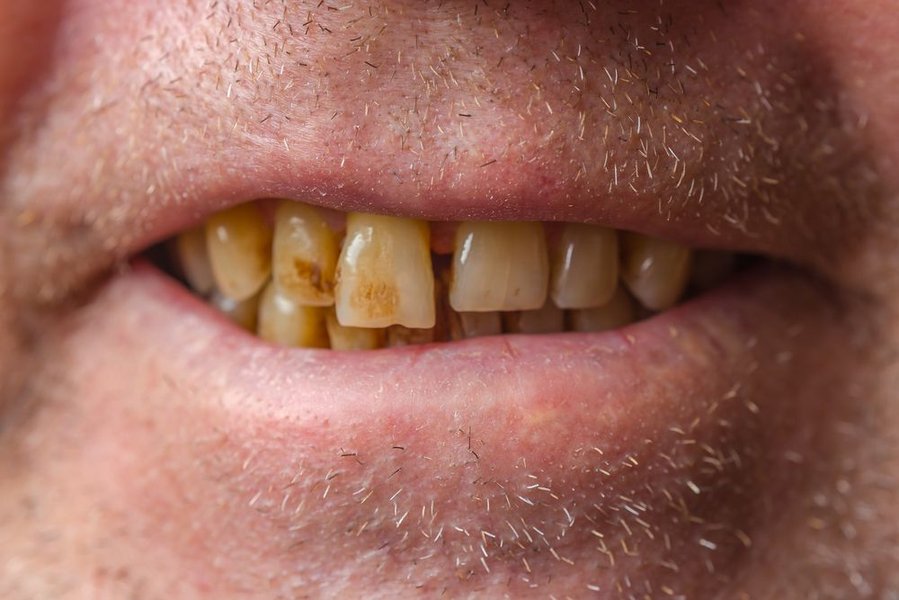
A healthy, confident smile is achievable with the right steps.
Strategies for a Smoke-Free Mouth
Quitting smoking is the strongest move. Even partial quitting helps. Your gums, your teeth, your whole mouth will thank you. Get regular dental checkups. Early checks catch stains, gum changes, and suspicious lesions before they become big problems. Practice excellent oral hygiene. Brush, floss, and rinse. Clean teeth are less welcoming to tobacco stains and bacteria. Seek credible cessation help. Talk to your dentist about programs or products that can help you quit. Limit irritants. If you’re not ready to quit, reduce smoking days and celebrate small wins. Schedule screening for mouth cancer when advised. Early detection improves outcomes. Your oral health greatly benefits from quitting. The body’s natural healing mechanisms can begin to repair some of the damage, and the risk of developing new problems significantly decreases.
Oral Health Resilience: A Comparative Analysis
To better understand the various aspects of oral health impacted by smoking, here is a radar chart illustrating a hypothetical individual’s oral health before and after quitting smoking. The values are an opinionated analysis of the potential improvement across key metrics.
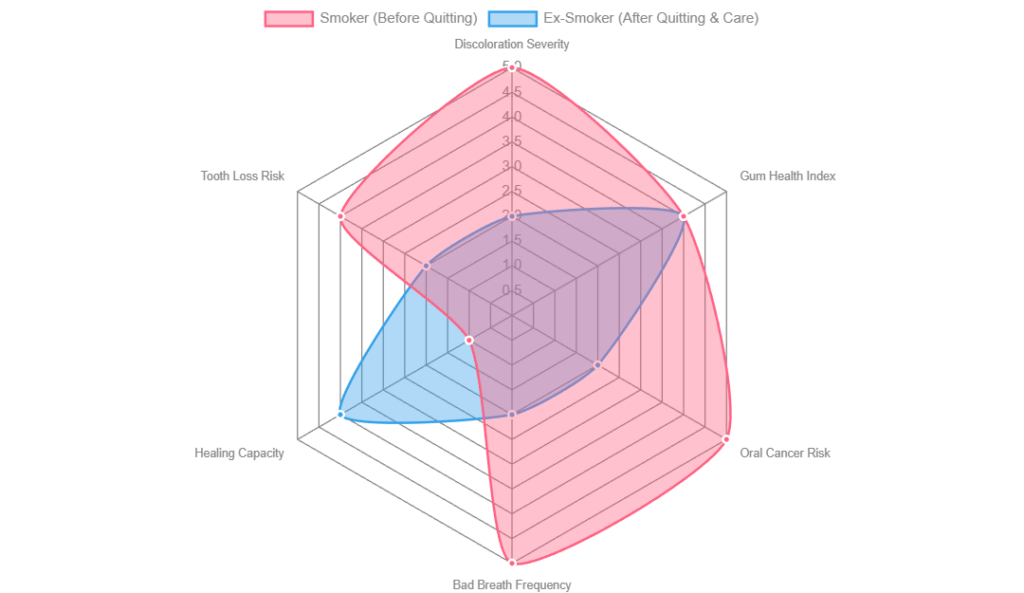
This radar chart visually compares the various dimensions of oral health for a smoker versus an ex-smoker who has adopted good oral care practices. The scale ranges from 0 (worst) to 5 (best for health aspects, or lowest for risk/severity). It highlights how critical quitting smoking is for improving key indicators like gum health and significantly reducing the risk of oral cancer and tooth loss.
Long-Term Health Investment: Quitting Smoking
Quitting smoking is one of the best investments you can make for your health, especially your oral health. The benefits extend far beyond just avoiding the immediate discomforts. This bar chart represents the perceived effectiveness of different interventions in mitigating smoking-related oral health issues. Higher bars indicate greater impact.